The energy landscape is evolving rapidly. Growing demand from data centers, electrification, renewables integration and grid modernization is placing unprecedented pressure on transmission and substation systems.
Engineering, procurement and construction (EPC) firms are at the forefront of delivering the extra-high-voltage (EHV) infrastructure needed to meet these demands efficiently, reliably and sustainably.
Why Demand for EHV Infrastructure is Accelerating
Electricity demand in the United States is projected to grow by roughly 15.8 % by 2029, with overall load increases of about 128 GW over the next five years, a level of growth driven by large industrial and commercial loads such as data centers, manufacturing and electrification of transportation and buildings. This growth rate reflects an expansion in peak demand not seen since the 1980s and underscores the need for higher-capacity transmission to reliably deliver power where it’s needed.
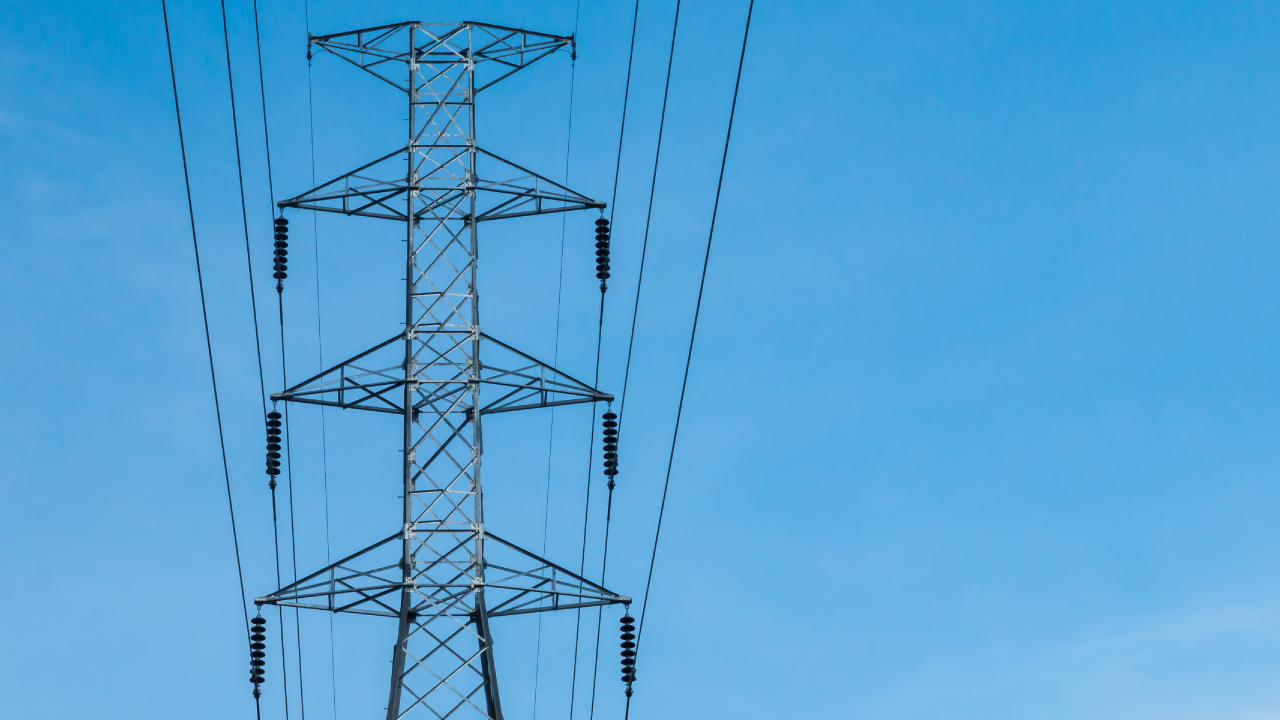
EHV systems (typically 345 kV and above) enable EPCs to design transmission and substation projects that minimize losses, reduce congestion and integrate new generation with growing load pockets. For substations, higher-voltage designs allow for increased capacity, operational redundancy and compliance with evolving safety and regulatory standards.
Engineering for Capacity and Resiliency
Designing for EHV infrastructure requires a comprehensive engineering approach. Key considerations include:
- Transmission line efficiency: Selecting voltage levels that optimize line losses and manage system load over long distances.
- Substation design: Balancing space constraints, redundancy and safety to ensure scalable and flexible operations.
- Acoustic and electromagnetic effects: Modeling corona discharge and audible noise to meet regulatory and environmental standards.
- Right-of-way and site planning: Incorporating terrain, environmental impacts and logistical constraints to reduce construction risks.
- Load growth and future expansion: Anticipating evolving energy demands to ensure projects remain resilient and adaptable.These engineering principles help develop designs that are not only robust today but can accommodate future grid needs, minimizing costly modifications or delays.
Looking Ahead: Ulteig’s EHV Capabilities, Including 765 kV
While 500 kV projects dominate current deployments, standards are evolving to accommodate 765 kV applications. Ulteig’s multidisciplinary teams bring integrated transmission and substation expertise to complex EHV projects, delivering designs with precision, efficiency and scalability. EPCs partnering with experienced engineering firms gain access to advanced modeling, specialized calculations and construction-ready designs that accelerate project timelines and reduce risk.
Empowering the Grid of Tomorrow
As energy demands continue to rise, EPCs play a critical role in shaping the future grid. Strategic engineering of EHV infrastructure enables clients to deliver resilient, reliable and scalable systems. Ulteig’s integrated approach helps meet today’s project requirements while preparing for tomorrow’s growth.
Learn how Ulteig’s EHV capabilities can help your projects meet today’s demands and prepare for tomorrow.
Sources: Utility Dive