As the energy landscape rapidly transforms, managing transmission congestion and ensuring system reliability is more crucial than ever. Here are five effective strategies to avoid congestion, based on insights from Ulteig’s experts, Technical Manager Omer Vejzovic and Resource Planning Supervisor Andrew Kramer, Ph.D, CEM, CMVP, REP.
- Strategic Load Placement
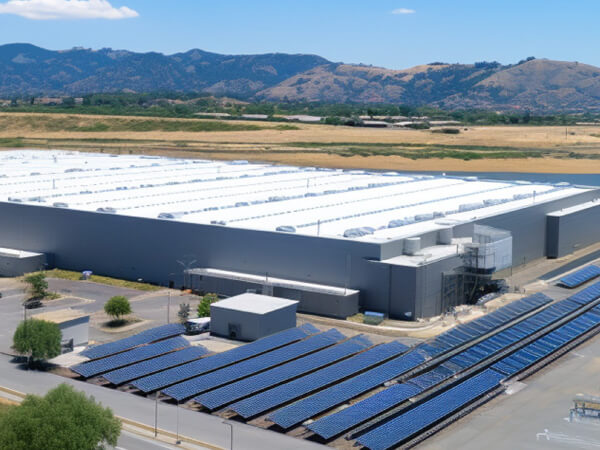
In many instances, placing large loads near low-cost energy sources is preferable to maximize efficiency and reliability. Thermal generation may offer an advantage in this regard due to its consistent output over extended durations. Conversely, renewable resources paired with storage have shorter construction lead times but face limitations in extended dispatchability. Understanding the benefits and constraints of these options—and how they may complement each other—is critical when evaluating potential transmission upgrades and the economic merits of reducing transmission congestion and improving system capacity availability.
- Advanced Modeling Techniques
Utilizing advanced modeling techniques is key to understanding how various loads will impact the local and larger system. By generating detailed load profiles for different scenarios, planners can create robust system designs. Think of it like building with Lego blocks: each piece (the generators, load and lines) must fit perfectly to manage transmission congestion effectively.
- Infrastructure Impact Assessment
Regular assessments of existing infrastructure are essential. Analysis may be based on steady-state, snapshot-in-time models or nodal-based production cost models that consider system economics and operations on an hourly or sub-hourly basis. By considering these factors, utilities can make informed decisions that mitigate transmission congestion and risk.
- Navigating Regulatory Landscapes
Regulatory compliance is vital for capacity expansion and congestion management. Collaborating with regulatory teams helps avoid conflicts and ensures adherence to generator construction guidelines. Compliance with standards like NERC’s TPL-001 is crucial for accommodating future load additions.
- Embracing Future Innovations
As energy demand evolves — especially with the rise of AI data centers and electrification — load placement strategies must adapt. Innovative, location-specific planning will be essential to address demand constraints. Additionally, renewable advancement, implementing battery storage solutions and exploring hydrogen and natural gas generation are strategies that balance regulatory demands with eco-friendly objectives.
Final Thoughts
Optimizing energy supply while minimizing transmission congestion is complex but vital. Through strategic load placement, advanced modeling, thorough assessments, regulatory collaboration and future-focused innovation, utilities can effectively navigate the evolving energy landscape. With the right planning, we can secure a reliable and enduring energy future.
Your Partner in Transmission Planning
At Ulteig, over 75% of our Resource Planning and Energy Market Modeling team members have utility experience, highlighting our commitment to effective and resilient solutions. We leverage advanced tools to present data clearly and consistently publish peer-reviewed research on the subject.
Contact us today for your transmission planning needs.