Innovative Technology & Consultation
PathFinder®
PathFinder® distinguishes itself in the market through a unique set of benefits. As a systematic and impartial decision-making engine, users can assess options without bias, relying on thorough and objective criteria.
This ensures that you’re not just receiving a standalone tool but also gaining access to the extensive knowledge and experience Ulteig has amassed over decades in the industry.

Comprehensive Solutions for Utility-Scale Sites
SiteSense®-SCADA/EMS
Built on industry-standard hardware and software, this solution ensures optimal interoperability and maintainability. Its modern and flexible design features powerful core capabilities that can be extended to meet your specific needs.

Digital Tools for Smarter Project Management
PinPoint®
PinPoint® is tailored to meet the essential requirements of transportation planning, design and infrastructure engineering services. It offers a user-friendly interface designed to mitigate project overruns and navigate potential obstacles by leveraging up-to-date project data. This enables transparent, efficient and well-informed decision-making processes throughout every project stage.

Advance Your Renewable Energy Projects with Confidence
Developer Services Suite
Navigate complex regulatory frameworks while managing interconnection, siting and environmental requirements: Ulteig’s Developer Services Suite pairs industry insights with a comprehensive technology solutions bundle designed to enhance project outcomes.
Featured Insight
Ulteig Acquires Paradigm Environmental, Expanding its Water Resources Expertise
Featured Insight
Flood Management Adaptation Measures in a Changing Climate
Upgrading Levees and Dams: Strengthening existing structures and building new ones to withstand higher water volumes and pressures.
Flood-Proofing Buildings: Implementing design modifications such as elevating buildings, using flood-resistant materials and installing barriers to prevent water ingress.
2. Natural and Nature-Based SolutionsWetland Restoration: Wetlands act as natural sponges, absorbing excess water during heavy rainfall and slowly releasing it, reducing flood peaks.
Reforestation and Afforestation: Trees and vegetation can help stabilize soil and absorb water, reducing runoff and the risk of landslides.
3. Advanced Forecasting and Warning SystemsEarly Warning Systems: Utilizing weather prediction models and real-time data to provide timely warnings to communities at risk.
Flood Mapping and Risk Assessment: Creating detailed flood maps to identify vulnerable areas and plan accordingly.
4. Community Involvement and PreparednessPublic Education and Training: Informing residents about flood risks and emergency procedures.
Community-Based Flood Management: Engaging local communities in planning and decision-making processes to ensure practical and accepted solutions.
Case Study: Hamburg, Iowa A prime example of effective flood management and resilience-building is the project undertaken by Ulteig in Hamburg, Iowa. This small town, located at the confluence of the East and West Nishnabotna Rivers and the Missouri River, faced devastating floods in the spring of 2019. Record rainfall and rapid snowmelt caused the Missouri River and its tributaries to overflow, submerging much of Hamburg. The floodwaters reached unprecedented levels, severely damaging infrastructure, homes and businesses. The town’s water supply was particularly hard hit, with both municipal wells submerged and one rendered non-operational. Ulteig's Response Ulteig, leveraging our expertise in both transportation and water infrastructure, spearheaded the reconstruction efforts. Key actions included:Replacing Municipal Wells: Installing two new wells designed to withstand future 100-year flood events, ensuring a reliable water supply.
Elevating Critical Infrastructure: Constructing the new wells and their housing at heights above the anticipated flood levels to prevent future damage.
Permanent Levee Construction: Collaborating with the U.S. Army Corps of Engineers to build a robust levee capable of withstanding 500-year flood events.
Backup Power Solutions: Implementing a propane generator to ensure the wells operate even during power outages.
Community Resilience and Future Preparedness The project in Hamburg highlights the importance of community involvement and resilience planning. Despite numerous challenges, including supply chain disruptions during the COVID-19 pandemic, the project was successfully executed through close collaboration with local residents and multiple government agencies. Ulteig staff emphasized the community's determination: "The people were dedicated to the community that they had built, and they wanted to come back stronger." Prepare for Future Challenges Effective flood management requires ongoing innovation, stakeholder engagement, collaboration and adaptive planning. As we continue to face the realities of climate change, comprehensive and forward-thinking approaches will be crucial in safeguarding our towns and cities. Connect with Ulteig today to learn how we can help safeguard your community.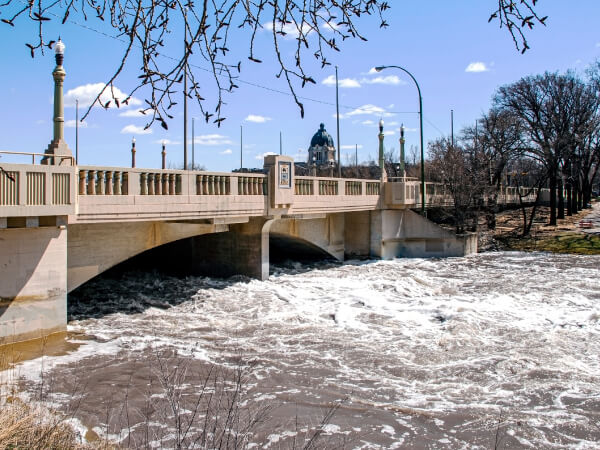
Featured Insight
Talent Highlight: Meet Ulteig’s Cultural Resources Team